Buy btools.eu ?
We are moving the project
btools.eu .
Are you interested in purchasing the domain
btools.eu ?
domain@kv-gmbh.de · 0541-91531010
Buy btools.eu ?
How do you calculate the efficiency of photosynthesis?
The efficiency of photosynthesis can be calculated by measuring the amount of light energy that is converted into chemical energy in the form of glucose. This can be done by measuring the rate of oxygen production or the rate of carbon dioxide uptake, which are both indicators of the rate of photosynthesis. The efficiency can then be calculated by comparing the amount of light energy absorbed by the plant to the amount of chemical energy stored in the form of glucose. This can be expressed as a percentage to show the efficiency of the photosynthetic process. **
Why is the efficiency of photosynthesis so low?
The efficiency of photosynthesis is relatively low because it is a complex biochemical process that involves multiple steps and factors. Only a small portion of the sunlight that reaches the plant is actually used for photosynthesis, and much of it is reflected or lost as heat. Additionally, not all wavelengths of light are efficiently absorbed by the chlorophyll in the plant, further reducing the overall efficiency. Furthermore, there are limitations in the availability of carbon dioxide, water, and nutrients that can also impact the efficiency of photosynthesis. **

Similar search terms for Photosynthesis
Top-Angebote
Products related to Photosynthesis:
-
Uplift Essentials Armband Heart Rate Monitor With Bluetooth 5.0 And ANT+ Connectivity Armband Heart Rate Monitor With Bluetooth 5.0 And ANT+ ConnectivityTrain smarter and safer with this armband heart rate monitor featuring accurate optical HR tracking, calorie burn monitoring, and heart rate zone feedback. Designed for fitness enthusiasts, cyclists, and athletes, this device connects seamlessly to...126,97 $*Shipping: 0,00 $Secure redirect to the provider
-
Ring Battery Video Doorbell Pro – Advanced Home Security & Connectivity, NewUpgrade your home security with the Ring Battery Video Doorbell Pro – Wireless Video Doorbell Security Camera . Designed to give you peace of mind, it delivers a head-to-toe 1536p HD view so you can see every detail clearly, from visitors to parcels at your doorstep. With advanced 3D Motion Detection and Bird’s Eye View , you’ll always know what’s happening around your home. The built-in colour night vision ensures crisp images even in the dark, while the wire-free battery design makes installation simple and flexible. Stay connected anywhere with instant notifications, two-way talk, and full integration with the Ring app, Alexa devices, and more. ✔️ Wireless video doorbell – Easy to install with a rechargeable battery, no wiring needed ✔️ 1536p HD head-to-toe view – See visitors and packages clearly in high definition ✔️ 3D Motion Detection & Bird’s Eye View – Advanced alerts and aerial perspective for extra security ✔️ Colour night vision – Crystal-clear video even in low light or darkness ✔️ Two-way talk with noise cancellation – Hear and speak to visitors in real time ✔️ Customisable motion zones – Focus on the areas that matter most ✔️ Smart alerts & notifications – Instant updates on your phone via the Ring app ✔️ Alexa compatible – Works seamlessly with Echo devices for hands-free monitoring ✔️ Quick-release battery pack – Easy to recharge and swap for uninterrupted security ✔️ Durable design – Built to withstand outdoor weather conditions The Ring Battery Video Doorbell Pro combines advanced motion detection, high-definition video, and smart home integration in one sleek device. Perfect for enhancing your home security, it ensures you never miss a visitor or delivery, day or night.174,49 £*Shipping: 0,00 £Secure redirect to the provider
-
HARPERCOLLINS Creative Confidence by Tom & David Kelley – Unleashing Your Creative Potential & Innovation MindsetA powerful and inspiring book from the founders of IDEO, the award-winning design firm, on unleashing the creativity that lies within each and every one of us. Too often, companies and individuals assume that creativity and innovation are the domain of the ‘creative types’. But two of the foremost experts in innovation, design and creativity on the planet show us that each and every one of us is creative. In an entertaining and inspiring narrative that draws on countless stories from their work at IDEO, and with many of the world's top companies and design firms, David and Tom Kelley identify the principles and strategies that will allow us to tap into our creative potential in our work lives, and in our personal lives, allow us to think outside the box in terms of how we approach and solve problems. ‘Creative Confidence’ is a book that will help each of us be more productive and successful in our lives and in our careers.4,95 £*Shipping: 1,99 £Secure redirect to the provider
-
Uplift Essentials N50 High Efficiency Cat Litter Deodorizer Blocks N50 High Efficiency Cat Litter Deodorizer BlocksTake control of your homes air quality with the N50 cat litter deodorizer blocks. These professionalgrade odor eliminators are engineered to neutralize stubborn ammonia and waste smells at the source, rather than just masking them with heavy...142,97 $*Shipping: 0,00 $Secure redirect to the provider




-
What is the efficiency of energy expenditure in photosynthesis?
The efficiency of energy expenditure in photosynthesis is relatively high compared to other biological processes. Photosynthesis is able to convert approximately 6% of the energy from sunlight into chemical energy stored in glucose molecules. This efficiency is due to the complex biochemical pathways and mechanisms involved in photosynthesis, such as the light-dependent and light-independent reactions. Overall, photosynthesis is a highly efficient process that plays a crucial role in sustaining life on Earth by providing energy for plants and ultimately all living organisms. **
-
Does photosynthesis supposedly have an efficiency of only 1 percent?
No, photosynthesis does not have an efficiency of only 1 percent. The efficiency of photosynthesis can vary depending on various factors such as the type of plant, environmental conditions, and the availability of resources. On average, the efficiency of photosynthesis in plants is estimated to be around 3-6 percent. However, some studies suggest that certain plants or artificial systems can achieve efficiencies of up to 10 percent. **
-
What is photosynthesis?
Photosynthesis is the process by which green plants, algae, and some bacteria convert light energy, usually from the sun, into chemical energy stored in glucose molecules. This process involves the absorption of carbon dioxide and water, which are then converted into glucose and oxygen with the help of chlorophyll and other enzymes. Photosynthesis is crucial for the survival of plants and other organisms that depend on them for food and oxygen. **
-
Can the efficiency of photosynthesis actually be increased by high air pressure?
High air pressure can potentially increase the efficiency of photosynthesis by allowing plants to take in more carbon dioxide, which is a key component in the process. However, there are limits to how much pressure can be increased before it becomes detrimental to plant growth. Additionally, other factors such as temperature, light intensity, and nutrient availability also play a significant role in the efficiency of photosynthesis. **


Does the photosynthesis of plants really only have an efficiency of 15 percent?
The efficiency of photosynthesis in plants is often cited as being around 15 percent, meaning that only 15 percent of the sunlight absorbed by the plant is converted into chemical energy. However, this number can vary depending on the specific plant species, environmental conditions, and the wavelength of light being used. Additionally, advancements in agricultural and biotechnological research have led to the development of more efficient photosynthetic processes, such as C4 and CAM photosynthesis, which can significantly improve overall efficiency. Therefore, while the 15 percent figure is a commonly cited average, it is important to recognize that there is variability and ongoing research in this area. **
Can humans perform photosynthesis?
No, humans cannot perform photosynthesis. Photosynthesis is a process carried out by plants, algae, and some bacteria, where they convert sunlight into energy to produce their own food. Humans do not have the necessary organelles, such as chloroplasts, to carry out photosynthesis. Instead, humans obtain energy by consuming food and breaking it down through cellular respiration. **
Top-Angebote
Products related to Photosynthesis:
-
FT Solutions Performance UDL 90 Pallet of 64The FT Solutions Performance UDL 90 (formerly FT Synthetics Silver) Underlayment is composed of 100% recyclable water-resistant polyolefin. UDL 90 underlayment is lightweight and durable and also provides the best protection available while also...4660,46 $*Shipping: 0,00 $Secure redirect to the provider
-
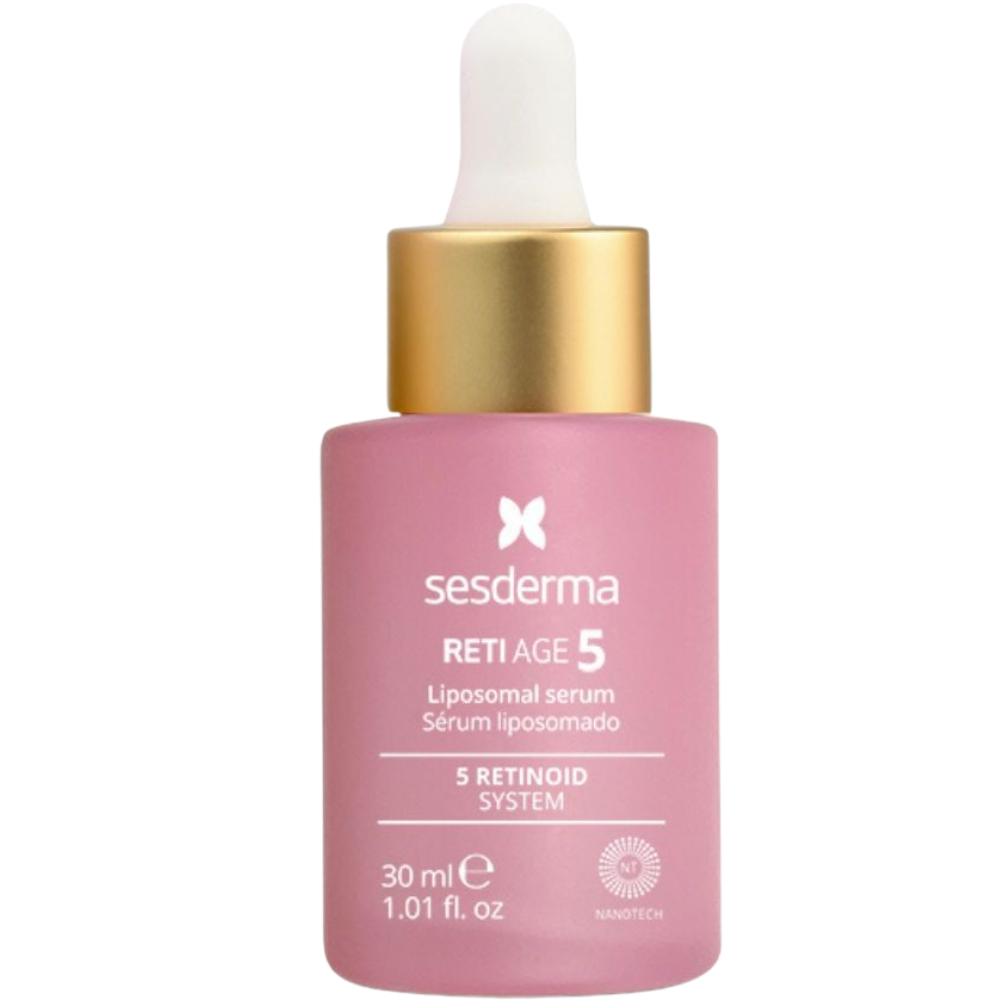
Sesderma Reti Age 5 Liposomal Serum Anti-Aging Innovation 30mLA facial serum for wrinkles and signs of ageing. Reduces wrinkles and fine lines. Hydrates and strengthens barrier. Restores youthful radiance. 5-Retinoid System: smooths wrinkles, accelerates renewal, and boosts collagen. Biomimetic Peptides: fill expression lines by stimulating collagen synthesis.54,51 £*Shipping: 5,34 £Secure redirect to the provider
-
Uplift Essentials Armband Heart Rate Monitor With Bluetooth 5.0 And ANT+ Connectivity Armband Heart Rate Monitor With Bluetooth 5.0 And ANT+ ConnectivityTrain smarter and safer with this armband heart rate monitor featuring accurate optical HR tracking, calorie burn monitoring, and heart rate zone feedback. Designed for fitness enthusiasts, cyclists, and athletes, this device connects seamlessly to...126,97 $*Shipping: 0,00 $Secure redirect to the provider
-
Ring Battery Video Doorbell Pro – Advanced Home Security & Connectivity, NewUpgrade your home security with the Ring Battery Video Doorbell Pro – Wireless Video Doorbell Security Camera . Designed to give you peace of mind, it delivers a head-to-toe 1536p HD view so you can see every detail clearly, from visitors to parcels at your doorstep. With advanced 3D Motion Detection and Bird’s Eye View , you’ll always know what’s happening around your home. The built-in colour night vision ensures crisp images even in the dark, while the wire-free battery design makes installation simple and flexible. Stay connected anywhere with instant notifications, two-way talk, and full integration with the Ring app, Alexa devices, and more. ✔️ Wireless video doorbell – Easy to install with a rechargeable battery, no wiring needed ✔️ 1536p HD head-to-toe view – See visitors and packages clearly in high definition ✔️ 3D Motion Detection & Bird’s Eye View – Advanced alerts and aerial perspective for extra security ✔️ Colour night vision – Crystal-clear video even in low light or darkness ✔️ Two-way talk with noise cancellation – Hear and speak to visitors in real time ✔️ Customisable motion zones – Focus on the areas that matter most ✔️ Smart alerts & notifications – Instant updates on your phone via the Ring app ✔️ Alexa compatible – Works seamlessly with Echo devices for hands-free monitoring ✔️ Quick-release battery pack – Easy to recharge and swap for uninterrupted security ✔️ Durable design – Built to withstand outdoor weather conditions The Ring Battery Video Doorbell Pro combines advanced motion detection, high-definition video, and smart home integration in one sleek device. Perfect for enhancing your home security, it ensures you never miss a visitor or delivery, day or night.174,49 £*Shipping: 0,00 £Secure redirect to the provider
-
How do you calculate the efficiency of photosynthesis?
The efficiency of photosynthesis can be calculated by measuring the amount of light energy that is converted into chemical energy in the form of glucose. This can be done by measuring the rate of oxygen production or the rate of carbon dioxide uptake, which are both indicators of the rate of photosynthesis. The efficiency can then be calculated by comparing the amount of light energy absorbed by the plant to the amount of chemical energy stored in the form of glucose. This can be expressed as a percentage to show the efficiency of the photosynthetic process. **
-
Why is the efficiency of photosynthesis so low?
The efficiency of photosynthesis is relatively low because it is a complex biochemical process that involves multiple steps and factors. Only a small portion of the sunlight that reaches the plant is actually used for photosynthesis, and much of it is reflected or lost as heat. Additionally, not all wavelengths of light are efficiently absorbed by the chlorophyll in the plant, further reducing the overall efficiency. Furthermore, there are limitations in the availability of carbon dioxide, water, and nutrients that can also impact the efficiency of photosynthesis. **
-
What is the efficiency of energy expenditure in photosynthesis?
The efficiency of energy expenditure in photosynthesis is relatively high compared to other biological processes. Photosynthesis is able to convert approximately 6% of the energy from sunlight into chemical energy stored in glucose molecules. This efficiency is due to the complex biochemical pathways and mechanisms involved in photosynthesis, such as the light-dependent and light-independent reactions. Overall, photosynthesis is a highly efficient process that plays a crucial role in sustaining life on Earth by providing energy for plants and ultimately all living organisms. **
-
Does photosynthesis supposedly have an efficiency of only 1 percent?
No, photosynthesis does not have an efficiency of only 1 percent. The efficiency of photosynthesis can vary depending on various factors such as the type of plant, environmental conditions, and the availability of resources. On average, the efficiency of photosynthesis in plants is estimated to be around 3-6 percent. However, some studies suggest that certain plants or artificial systems can achieve efficiencies of up to 10 percent. **
Similar search terms for Photosynthesis
-
HARPERCOLLINS Creative Confidence by Tom & David Kelley – Unleashing Your Creative Potential & Innovation MindsetA powerful and inspiring book from the founders of IDEO, the award-winning design firm, on unleashing the creativity that lies within each and every one of us. Too often, companies and individuals assume that creativity and innovation are the domain of the ‘creative types’. But two of the foremost experts in innovation, design and creativity on the planet show us that each and every one of us is creative. In an entertaining and inspiring narrative that draws on countless stories from their work at IDEO, and with many of the world's top companies and design firms, David and Tom Kelley identify the principles and strategies that will allow us to tap into our creative potential in our work lives, and in our personal lives, allow us to think outside the box in terms of how we approach and solve problems. ‘Creative Confidence’ is a book that will help each of us be more productive and successful in our lives and in our careers.4,95 £*Shipping: 1,99 £Secure redirect to the provider
-
Uplift Essentials N50 High Efficiency Cat Litter Deodorizer Blocks N50 High Efficiency Cat Litter Deodorizer BlocksTake control of your homes air quality with the N50 cat litter deodorizer blocks. These professionalgrade odor eliminators are engineered to neutralize stubborn ammonia and waste smells at the source, rather than just masking them with heavy...142,97 $*Shipping: 0,00 $Secure redirect to the provider
-
Inspire Essentials COOSPO HW9 Armband Heart Rate Monitor With Bluetooth And ANT Plus Connectivity COOSPO HW9 Armband Heart Rate Monitor With Bluetooth And ANT Plus ConnectivityTake your training to the next level with the COOSPO HW9 heart rate monitor, a highperformance fitness tracker designed for accuracy, comfort, and versatility. This armband heart rate monitor delivers realtime heart rate, calories, and zone tracking...102,48 $*Shipping: 0,00 $Secure redirect to the provider
-
Helena Rubinstein Powercell Skinmunity anti-wrinkle eye treatment to refresh tired eyes innovation 15 mlHelena Rubinstein Powercell Skinmunity, 15 ml, Eye Creams and Gels for Women, The eye area is a highly sensitive area, as the skin there is exceptionally thin and fragile, making it more susceptible to signs of fatigue and ageing. It therefore also requires special treatment with ingredients and consistencies designed exactly for its needs. The Helena Rubinstein Powercell Skinmunity eye cream takes care of specific issues in the eye area. It delivers the nourishment and hydration needed for the skin around your eyes, improving its quality and restoring its vitality and a fresh, rested look. Characteristics: smooths wrinkles and fine lines refreshes and softens the eye area makes your eyes look youthful How to use: In the morning and/or evening, apply the product around the eye contours by dabbing lightly until fully absorbed.95,50 £*Shipping: 3,99 £Secure redirect to the provider
-
What is photosynthesis?
Photosynthesis is the process by which green plants, algae, and some bacteria convert light energy, usually from the sun, into chemical energy stored in glucose molecules. This process involves the absorption of carbon dioxide and water, which are then converted into glucose and oxygen with the help of chlorophyll and other enzymes. Photosynthesis is crucial for the survival of plants and other organisms that depend on them for food and oxygen. **
-
Can the efficiency of photosynthesis actually be increased by high air pressure?
High air pressure can potentially increase the efficiency of photosynthesis by allowing plants to take in more carbon dioxide, which is a key component in the process. However, there are limits to how much pressure can be increased before it becomes detrimental to plant growth. Additionally, other factors such as temperature, light intensity, and nutrient availability also play a significant role in the efficiency of photosynthesis. **
-
Does the photosynthesis of plants really only have an efficiency of 15 percent?
The efficiency of photosynthesis in plants is often cited as being around 15 percent, meaning that only 15 percent of the sunlight absorbed by the plant is converted into chemical energy. However, this number can vary depending on the specific plant species, environmental conditions, and the wavelength of light being used. Additionally, advancements in agricultural and biotechnological research have led to the development of more efficient photosynthetic processes, such as C4 and CAM photosynthesis, which can significantly improve overall efficiency. Therefore, while the 15 percent figure is a commonly cited average, it is important to recognize that there is variability and ongoing research in this area. **
-
Can humans perform photosynthesis?
No, humans cannot perform photosynthesis. Photosynthesis is a process carried out by plants, algae, and some bacteria, where they convert sunlight into energy to produce their own food. Humans do not have the necessary organelles, such as chloroplasts, to carry out photosynthesis. Instead, humans obtain energy by consuming food and breaking it down through cellular respiration. **
* All prices are inclusive of VAT and, if applicable, plus shipping costs. The offer information is based on the details provided by the respective shop and is updated through automated processes. Real-time updates do not occur, so deviations can occur in individual cases. ** Note: Parts of this content were created by AI.